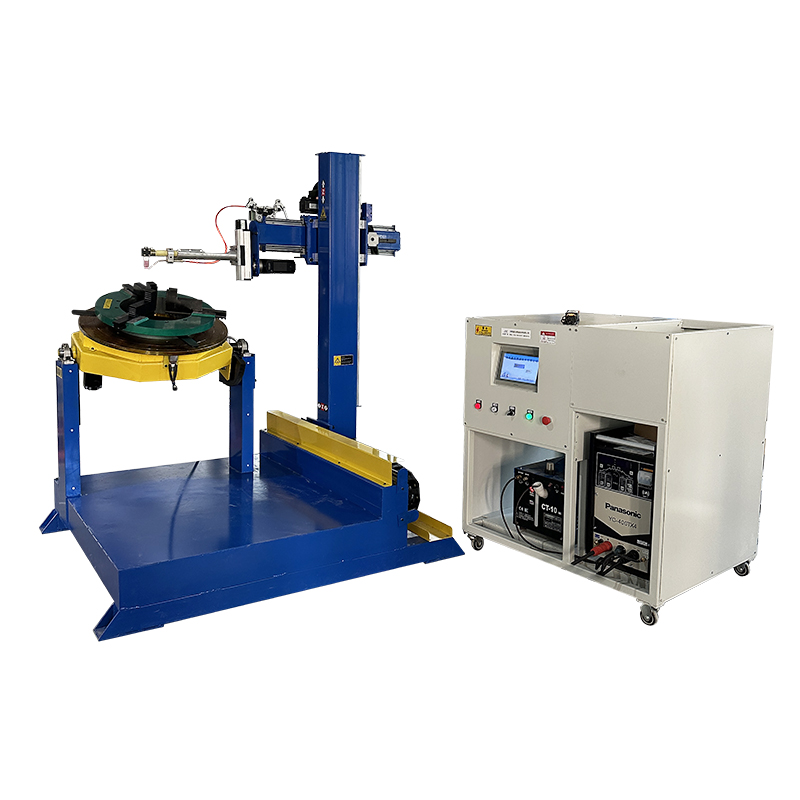
Automatic Welding Equipment Troubleshooting Guide
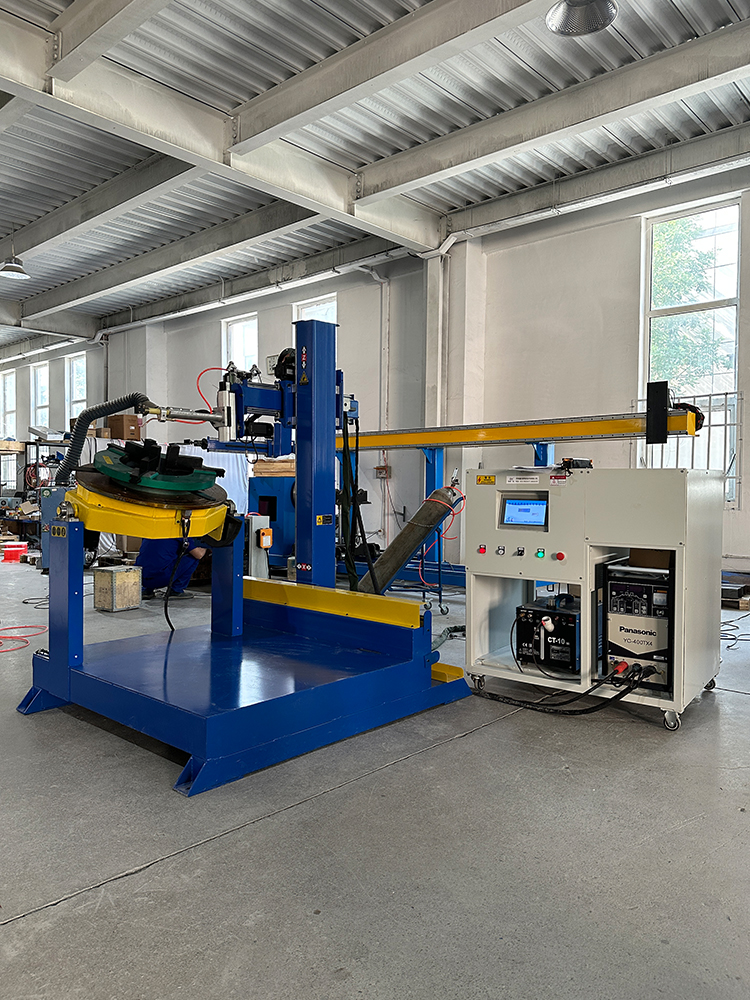
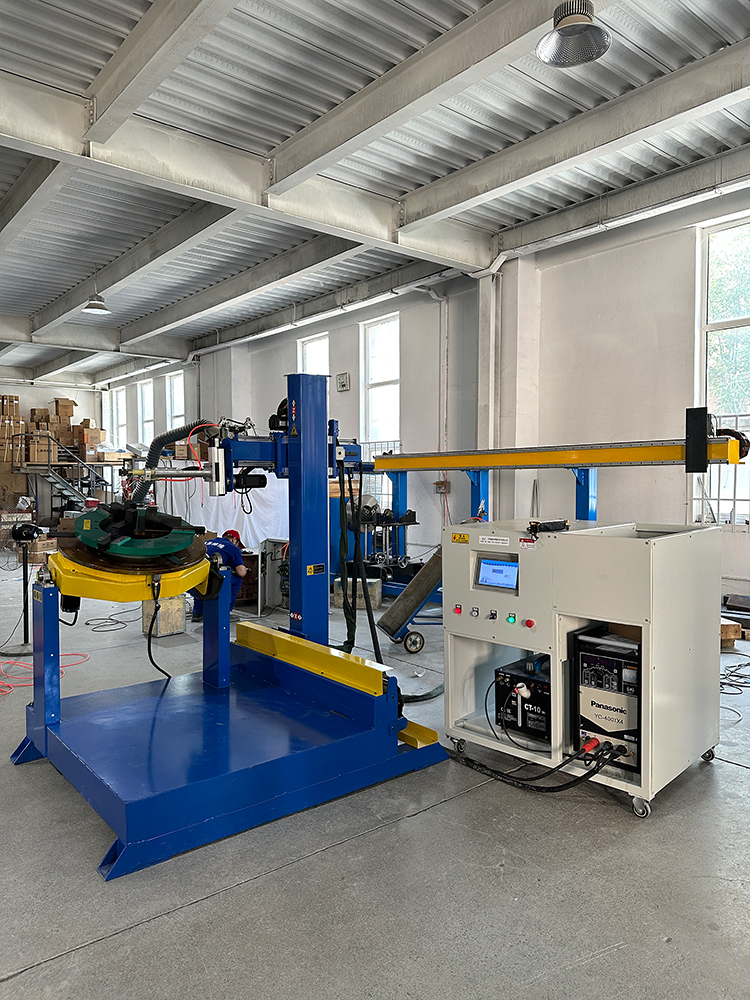
Automatic welding equipment is a critical asset in modern manufacturing, playing a vital role in ensuring both welding quality and operational efficiency. Equipment failures can lead directly to production halts, increased costs, and even product rejection. This guide categorizes common faults and addresses them across four key dimensions: symptom recognition, potential cause analysis, step-by-step troubleshooting, and preventive actions. It is designed to help technicians quickly identify and resolve issues, and is applicable to mainstream automatic welding processes including Gas Metal Arc Welding (MIG/MAG), Tungsten Inert Gas (TIG) welding, and resistance welding.
I. Welding Quality Defects (The Most Critical Category)
Welding quality defects directly affect the mechanical properties and safety of the final product, and should be investigated as a priority. Common issues include poor bead appearance, porosity, cracking, and lack of fusion or penetration. Detailed troubleshooting guidance is provided below:
1. Poor Weld Bead Formation (Undercut, Overlap, Abnormal Reinforcement, Irregular Width)
| Fault Phenomenon | Potential Causes | Troubleshooting and Resolution Steps | Preventive Measures |
|---|---|---|---|
| Undercut (edge recession) | 1. Excessive welding current or insufficient voltage 2. Excessively fast oscillation speed or incorrect amplitude 3. Insufficient wire stick-out 4. Travel speed too high | 1. Verify process parameters against manual: reduce current or increase voltage (MIG requires matched settings, e.g., 180A with 22-24V) 2. Inspect oscillation mechanism: adjust frequency (recommended 5-10 Hz) and amplitude (≤10 times wire diameter) 3. Measure stick-out: MIG typically 10-15mm, TIG tungsten 2-5mm 4. Reduce travel speed: adjust according to material thickness, e.g., 300-500mm/min for 6mm steel in MIG | 1. Perform weekly parameter calibration 2. Conduct monthly checks on oscillator motor and rail lubrication 3. Verify stick-out length before initiating welding |
| Overlap (excessive reinforcement) | 1. Insufficient welding current or excessive voltage 2. Travel speed too slow 3. Torch height too low (arc length too short) | 1. Increase current or decrease voltage to stabilize arc (audible cue: “hissing” indicates normality, “cracking” suggests excessive voltage) 2. Increase travel speed to prevent molten pool overflow 3. Adjust torch height (MIG height = stick-out + arc length, generally 15-20mm) | 1. Conduct test weld to verify parameter compatibility 2. Regularly inspect torch height sensor (e.g., laser sensor) accuracy |
| Irregular Weld Width | 1. Torch path deviation (loose rails or servo motor issue) 2. Workpiece misalignment (fixture looseness) 3. Oscillator malfunction (encoder failure) | 1. Manually move torch carriage to check for rail binding; measure servo motor current with multimeter, replace motor or driver if abnormal 2. Inspect fixtures: tighten fasteners, verify positioning accuracy (tolerance ≤0.5mm) 3. Examine encoder data: clean encoder or replace cable if values fluctuate | 1. Verify fixture security daily during startup checks 2. Perform quarterly calibration of servo motors and encoders using laser interferometer |
2. Weld Porosity (Surface or Internal)
Root Causes: Inadequate or contaminated shielding gas; oil, rust or contaminants on wire or workpiece; unstable arc; excessive cooling rate.
Troubleshooting Procedure:
- Shielding Gas Verification:
- Check cylinder pressure: maintain ≥0.5MPa for MIG (argon/mixed gases), replace if low
- Inspect gas circuit integrity: close cylinder valve, monitor flowmeter for pressure drop (acceptable: ≤0.1MPa within 5 minutes). If drop excessive, examine connections, regulator and solenoid valve for leaks (soapy water test)
- Confirm flow rate: MIG 15-25L/min, TIG 8-15L/min. Adjust flowmeter or replace solenoid valve if inaccurate
- Workpiece and Wire Preparation:
- Clean workpiece surface: wipe welding zone (≥20mm wide) with alcohol/acetone to remove oil, rust, scale
- Inspect wire: check spool for rust or contamination. If moisture is suspected (e.g., stainless steel wire), bake at 200-300°C for 1-2 hours
- Arc Stability Assessment:
- Examine contact tip: replace if worn (internal diameter > wire diameter + 0.2mm) or obstructed (replace after every ~500m of wire)
- Check liner: replace if worn or excessively bent causing feeding issues (maximum length: 5m; minimum bend radius: 300mm)
3. Weld Cracking (Hot and Cold Cracks)
- Hot Cracks (occur during welding, typically along centerline or in crater):
- Causes: Incorrect wire composition (e.g., high-carbon wire for mild steel), excessive current (overheating), inadequate crater filling
- Solutions: Use appropriate wire (e.g., ER50-6 for Q235 steel), reduce current by 10-15%, activate crater fill function (extend post-flow time by 1-3 seconds)
- Cold Cracks (occur during cooling, typically near fusion zone):
- Causes: High carbon content in base material (e.g., high-carbon steel), insufficient preheat, inadequate post-weld heat treatment
- Solutions: Verify material specifications; preheat high-carbon/alloy steels to 150-350°C (verify with IR thermometer); provide post-weld insulation for 20-30 minutes for controlled cooling
4. Lack of Fusion / Incomplete Penetration (Inadequate bonding with base material / Insufficient weld thickness)
- Lack of Fusion: Typically caused by low current, insufficient oscillation amplitude, or excessive travel speed
- Solution: Increase current by 5-10%, widen oscillation amplitude (ensure arc covers base metal edges), reduce travel speed
- Incomplete Penetration: Usually due to narrow groove angle (e.g., V-groove <60°), insufficient root gap (<2mm), or torch misalignment
- Solution: Correct groove geometry (according to WPS), adjust joint fit-up, recalibrate torch path (using teach pendant)
II. Operational Faults (Start-up or Runtime Failures)
These faults cause operational downtime. Prioritize electrical and mechanical inspections before examining welding systems.
1. Failure to Start (No Power Indicator / Start Button Inoperative)
Potential Causes:
- External power supply issue (tripped main breaker, abnormal voltage)
- Internal circuit breaker tripped (overload, short circuit)
- Emergency stop activated (not reset)
- Control circuit failure (faulty contactor, no PLC signal)
Troubleshooting Procedure:
- Verify external power: measure three-phase voltage (normal range: 380V±10%), ensure main breaker is engaged
- Check internal breakers: inspect main breaker (often labeled “MAIN”) in power distribution panel. If tripped, investigate overload causes (e.g., seized motor), reset once resolved
- Confirm emergency stops: ensure all E-stop buttons (on panel, torch, fixture) are properly reset
- Test control circuit: use multimeter to verify PLC input signal (24V should be present when start button is pressed). If absent, check wiring or replace button. If PLC signals but contactor doesn’t engage, replace coil or contactor
2. Wire Feed System malfunctions (No feeding, erratic feeding, unstable speed)
- Fault 1: No Wire Feed
- Causes: Feed motor not powered (loose connections, driver failure), drive rolls not properly engaged (loose tension mechanism), wire jam (liner blockage, wire deformation)
- Solution: ① Check motor voltage (24V/380V as applicable), inspect wiring/driver if no power ② Adjust tension mechanism to proper setting (slight wire indentation acceptable) ③ Clear or replace liner, remove damaged wire
- Fault 2: Erratic/Unstable Feeding
- Causes: Worn drive rolls (incorrect size), defective motor bearings, deteriorated liner (internal contamination)
- Solution: ① Replace drive rolls with correct size (e.g., 1.2mm groove for 1.2mm wire) ② Manually rotate rolls; replace bearings if abnormal operation detected ③ Replace liner (recommended interval: every ~1000m of wire)
3. Torch malfunctions (No arc, unstable arc, coolant/gas leakage)
- Fault 1: No Arc Establishment
- Causes: Obstructed/worn contact tip (no current transfer), damaged torch cable (broken circuit), power source failure (no output)
- Solution: ① Replace contact tip, remove spatter from nozzle ② Measure cable resistance end-to-end (should be <0.5Ω), replace if excessive ③ Verify power source output voltage (MIG OCV typically 30-40V), contact manufacturer if absent
- Fault 2: Coolant/Gas Leakage (Water-cooled torches)
- Causes: Loose coolant connection (deteriorated seals), damaged coolant hose
- Solution: ① Deactivate cooling system, disconnect lines, replace seals (recommended every 3 months) ② Inspect hoses, replace coolant assembly if cracked
III. Control System Faults (Parameter Irregularities, Program Errors)
Failures in control systems (PLC, HMI, servos) can cause operational logic errors. Focus on signal transmission and program integrity.
1. Parameter Control Issues (Inability to adjust parameters, automatic parameter changes)
Potential Causes:
- HMI malfunction (unresponsive interface, display errors)
- PLC-HMI communication failure (loose connection, protocol mismatch)
- Parameter memory module defect (EEPROM error)
Troubleshooting Procedure:
- Restart system: if parameters normalize, may indicate temporary software glitch
- Inspect HMI: recalibrate touch interface; replace ribbon cable or entire HMI if display faulty
- Check communication: reseat PLC-HMI communication cables (e.g., RS485), verify protocol configuration (e.g., Modbus) matches manual specifications
- Restore parameters: if unable to save, initiate “parameter restore” function and load backup (recommend weekly parameter backups)
2. Servo System malfunctions (Torch positioning errors, servo alarms)
- Fault 1: Position Deviation (Torch path inaccuracy)
- Causes: Encoder contamination (dust/oil), servo driver parameter drift, excessive mechanical play (loose transmission components)
- Solution: ① Clean encoder surface with lint-free cloth, reinstall and recalibrate ② Restore driver defaults, reconfigure gains (refer to manual) ③ Inspect transmission system, tighten components or replace worn elements
- Fault 2: Servo Alarm (Displayed error codes, e.g., “ALM01”)
- Response: ① Consult manual’s alarm code listing (e.g., “ALM01” indicates overcurrent, “ALM02” indicates overload) ② For overcurrent: inspect motor circuits for shorts, replace driver if needed ③ For overload: reduce operating load (e.g., decrease oscillation), check for mechanical obstruction
IV. General Troubleshooting Methodology & Safety Protocols
1. General Methodology
- Simplicity First: Begin with external factors (power, gas, wire, workpiece) before investigating internal components
- Static Precedes Dynamic: Perform mechanical inspections powered down before conducting live electrical tests
- Software Before Hardware: Verify program parameters before examining physical components
2. Safety Protocols
- Power Isolation: Always de-energize equipment and secure with lockout/tagout during electrical inspection
- Thermal/Radiation Protection: Allow sufficient cooling time before handling torch components (nozzle temperatures can exceed 300°C); use appropriate PPE including welding helmet and heat-resistant gloves
- Gas Handling Safety: Secure gas cylinders during exchange; open regulators gradually; maintain flame-free environment around gas storage areas
- Coolant System Safety: Isolate and drain cooling systems before servicing to prevent electrical hazards from leaks
V. Preventive Maintenance Recommendations (Reduce Failure Frequency)
Daily:
- Clean torch components (nozzle, contact tip) and remove spatter
- Verify shielding gas parameters (pressure/flow) and check for leaks
- Inspect fixture security and clean workpiece locating surfaces
Weekly:
- Calibrate welding parameters and perform validation test welds
- Examine drive roll condition and clean wire feeding mechanism
- Check lubrication status of servo motors and guide rails
Monthly:
- Replace consumable components (liner, contact tips) based on usage
- Clean cooling fans on control components (PLC, servo drivers)
- Backup system parameters and programs to external storage
By implementing these systematic troubleshooting approaches and maintenance practices, equipment reliability can be significantly improved, ensuring consistent welding quality and operational efficiency. For complex system failures (e.g., internal power supply issues, PLC board failures), always engage qualified technical support from the equipment manufacturer to prevent secondary damage from improper repair attempts.